Which Vitamins and Minerals for Your Dog’s Skin and Coat?

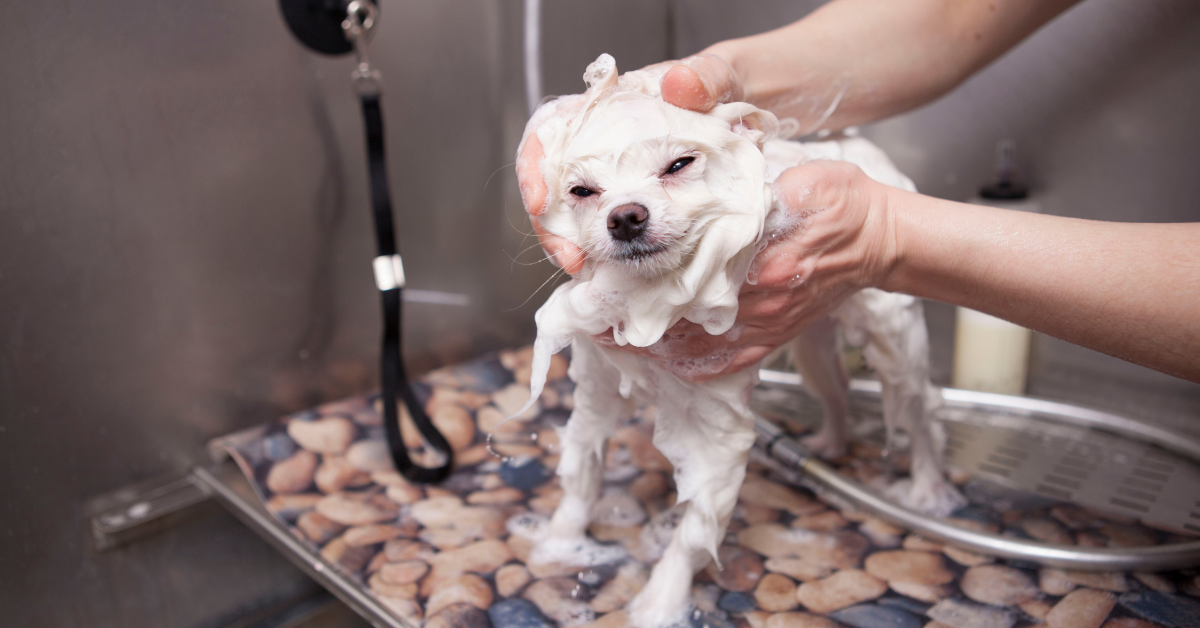
You maintain your dog’s coat by combing and brushing it. Some dogs also benefit from regular visits to a grooming salon. However, true health and beauty come from within. What does your dog need to keep its skin and coat beautiful and healthy?

Skin
17 March '26 1 min reading time

The skin and coat protect your dog from external influences. Think of cold, heat, insects, injuries, fungi, and parasites. The skin continuously renews itself, and the coat is regularly replaced as well. For these processes, your dog needs nutrients, which it obtains from its diet.

Omega-3 Fatty Acids

The essential omega-3 fatty acids EPA and DHA are indispensable building blocks for a shiny coat and supple, healthy skin. These fatty acids are mainly found in fish products, such as salmon oil. Omega-3 fatty acids are not only beneficial for skin and coat, but also for your dog’s immune system, heart, blood vessels, and brain.

Silicon

The mineral silicon is essential for building various body tissues, such as connective tissue, tendons, cartilage, and bones. It also stimulates hair growth and supports healthy nail growth. For a healthy coat and skin, it is therefore advisable to add silicon to your dog’s diet. It promotes coat health and growth. Liquid, hydrolyzed silicon is the most easily absorbed form for your dog.

Biotin and Zinc

If your dog’s skin is flaky, if your dog scratches regularly, or if the coat looks dull, biotin and zinc may help. These supplements help prevent dandruff and itching. By temporarily adding biotin and zinc to your dog’s food, the coat can recover. The result: a happy dog with a shiny coat.
Also interesting:

Skin

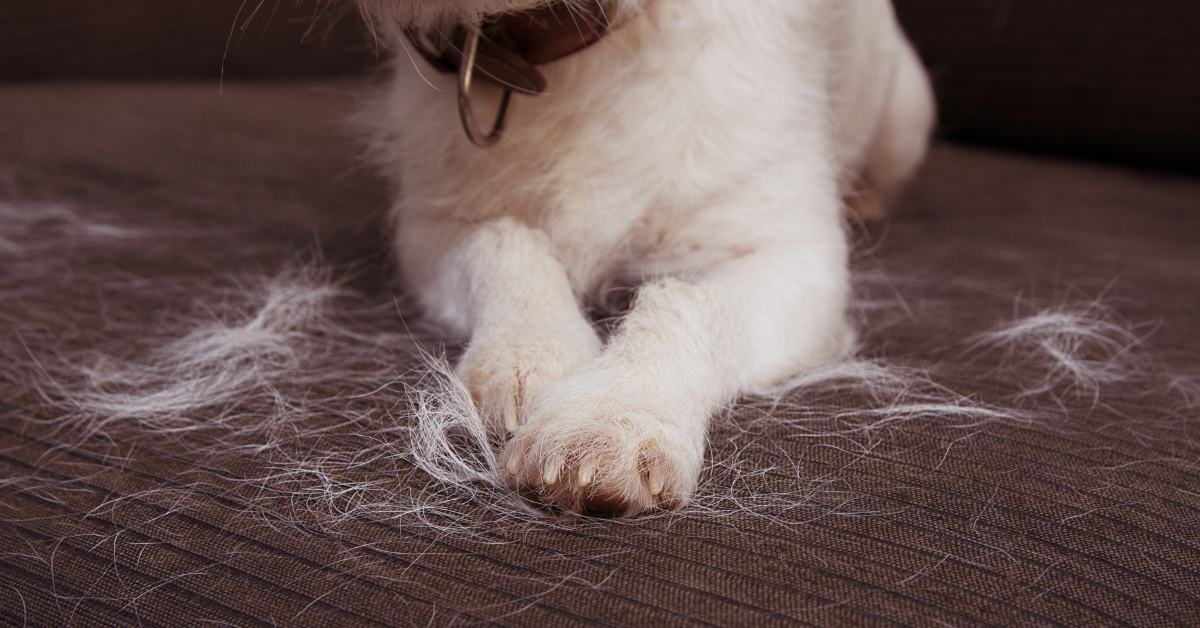
Hair on your couch, in your car, and on the dog blanket: it’s shedding season again. But how often does a dog actually shed? And when is excessive hair loss too much? You can read more about it in this article.

How Often Do Dogs Shed and When?

Hair on your couch, in your car, and on the dog blanket: it’s shedding season again. But how often does a dog actually shed? And when is excessive hair loss too much? You can read more about it in this article.. Dog groomers distinguish no fewer than thirteen coat types. Proper care and shedding patterns depend on your dog’s exact coat type. However, there are some general guidelines. Shedding Twice a Year Most dogs shed twice a year, in spring and autumn. The amount of hair released varies depending on the coat type. Dogs with an undercoat lose more hair than dogs without one. The thin, fine hair of the undercoat often comes out in what seems like a “coat explosion”: this is referred to as “blowing the...

Skin

Many dogs have an undercoat, but certainly not all of them. This varies by breed. An undercoat has specific characteristics and also requires extra care. But why do dogs actually have an undercoat?

What Is the Function of an Undercoat in Dogs?

Many dogs have an undercoat, but certainly not all of them. This varies by breed. An undercoat has specific characteristics and also requires extra care. But why do dogs actually have an undercoat?. Does your dog have an undercoat? You can find out by taking a close look at the coat. If your dog has an undercoat, you can clearly distinguish two different types of hair. The topcoat hairs are somewhat longer and coarser, while the undercoat hairs are softer and shorter. The undercoat is dense and thick and is more visible in winter. In some dogs, the undercoat is easier to see in certain areas of the body, for example around the neck. Why an Undercoat? The undercoat helps your dog regulate it...

Skin

Many dogs need to be brushed, and some regularly visit a grooming salon. But how exactly does it work? Do you need to brush every dog? And what is the difference between long-haired, short-haired, and wire-haired dogs?

How Do I Care for My Dog’s Coat?

Many dogs need to be brushed, and some regularly visit a grooming salon. But how exactly does it work? Do you need to brush every dog? And what is the difference between long-haired, short-haired, and wire-haired dogs?. Dog groomers distinguish no fewer than thirteen coat types. Dogs can have a double or single coat and long, short, rough, or curly topcoat hair. Each coat type has specific characteristics and requires different care. Undercoat or Not? If you want to know what kind of care your dog’s coat needs, it is first important to determine whether your dog has an undercoat. This applies to many breeds, but not all. The fluffy and fine hair of the undercoat should be brushed regularly to prevent it from cl...

Questions? AskHELTIE!

Are you looking for advice about your dog or horse? Or do you want to know more about conditions or ingredients? Feel free to contact AskHELTIE, and we will be happy to assist you! .