What Is the Function of an Undercoat in Dogs?

Many dogs have an undercoat, but certainly not all of them. This varies by breed. An undercoat has specific characteristics and also requires extra care. But why do dogs actually have an undercoat?

Skin
27 February '26 1 min reading time

Does your dog have an undercoat? You can find out by taking a close look at the coat. If your dog has an undercoat, you can clearly distinguish two different types of hair. The topcoat hairs are somewhat longer and coarser, while the undercoat hairs are softer and shorter. The undercoat is dense and thick and is more visible in winter. In some dogs, the undercoat is easier to see in certain areas of the body, for example around the neck.

Why an Undercoat?

The undercoat helps your dog regulate its body temperature. It acts as a layer of insulation. This insulation protects not only against cold, but also against heat. The undercoat is also water-repellent. In addition, it protects your dog’s skin from sunburn, scratches, and insects.

A Built-in Dog Blanket

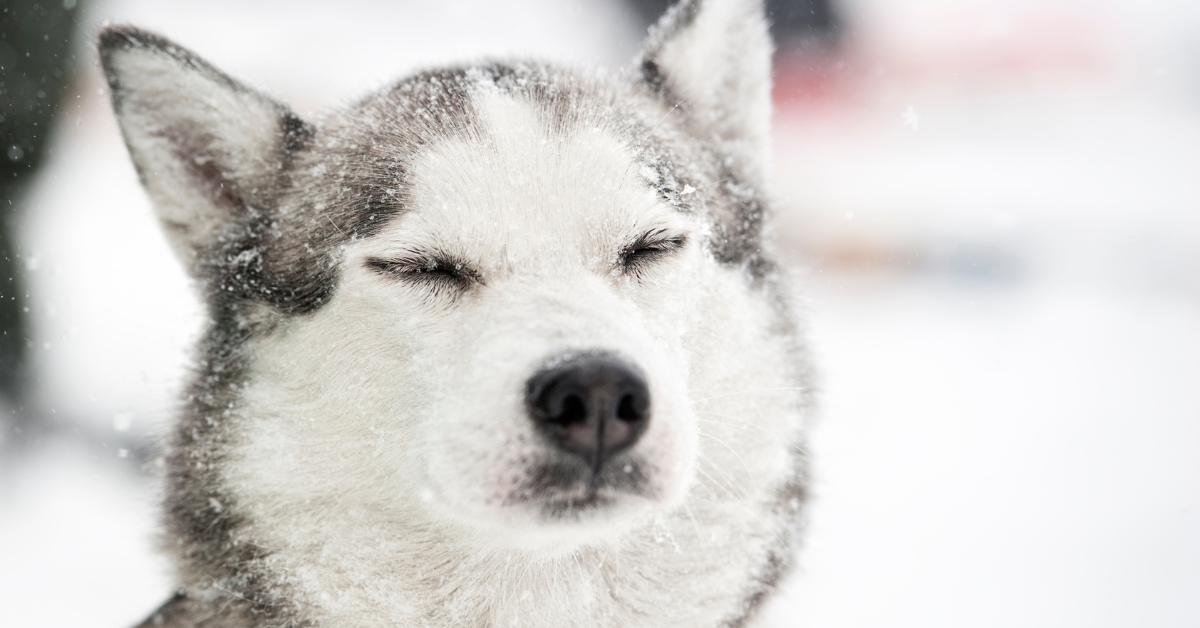
Many dog breeds have an undercoat. Well-known examples include breeds from colder regions such as huskies and malamutes. Popular golden retrievers and German shepherds also have an undercoat. For sled dogs, having an undercoat is not only pleasantly warm, it also allows them to lie down and sleep in the snow. These dogs always carry their own cushioning, soft, and insulating dog blanket with them!

Grooming

How exactly you should care for your dog’s coat depends on the specific coat type. Dogs with an undercoat often shed more heavily in spring and autumn. Because an undercoat consists of fine and fluffy hair, it can easily become tangled and matted. It can also retain moisture and dirt, which may cause skin problems. It is therefore important to brush dogs with an undercoat regularly. This keeps the coat clean and airy and the underlying skin healthy.

Also interesting:

Skin

Salmon oil

Salmon oil is a delicious treat for dogs and helps them eat their food and supplements more easily. But did you know that salmon oil also has a supportive function on your dog's skin and coat? That it has a function besides being tasty? Read more about this in this blog.

Support your dog's coat and skin with salmon oil

Salmon oil is a delicious treat for dogs and helps them eat their food and supplements more easily. But did you know that salmon oil also has a supportive function on your dog's skin and coat? That it has a function besides being tasty? Read more about this in this blog.. Salmon oil rich in fatty acids Unsaturated fatty acids are healthy for both humans and animals, including dogs. Salmon oil is a source of omega-3 in the form of EPA and DHA. In addition, salmon oil also contains omega-6 and omega-9 fatty acids. EPA and DHA omega-3 fatty acids are forms that are easily absorbed and that the dog can use directly. Since the dog cannot produce these omega-3 fatty acids itself, it must get them from the diet. Salmon oil is rich in these fatty acids and therefore a go...

Black cumin

Black cumin has been known in the Middle East for centuries as a medicinal plant. The main active ingredient is thymoquinone. This natural remedy can support your dog in the treatment and prevention of multiple types of worms.

The anti-parasitic effect of black cumin in dogs

Black cumin has been known in the Middle East for centuries as a medicinal plant. The main active ingredient is thymoquinone. This natural remedy can support your dog in the treatment and prevention of multiple types of worms.. Dogs can get various types of parasitic worms. In the Netherlands and Belgium, this mainly concerns roundworms, tapeworms, hookworms, whipworms, and heartworms. Often, you only discover an infestation when there are already many worms in your dog's abdomen. That is why it is important to regularly deworm dogs. This prevents serious illness. How does my dog get worms? How your dog gets worms in its abdomen varies depending on the type of worm. Most puppies are even born with a roundworm infection...

Magnesium

What is the function of magnesium in dogs?

Magnesium is an essential mineral for all mammals. Dogs also need to receive an adequate amount of magnesium. Magnesium is important for strong bones, flexible muscles, and a well-functioning nervous system. Dogs require magnesium during times of stress, high physical exertion, and pregnancy. Dogs intake magnesium through their diet, but sometimes supplementation with a well-absorbed supplement is desired. Magnesium plays a crucial role in many bodily functions. A deficiency in magnesium can lea...

Questions? AskHELTIE!

Are you looking for advice about your dog or horse? Or do you want to know more about conditions or ingredients? Feel free to contact AskHELTIE, and we will be happy to assist you! .