How Do I Care for My Dog’s Coat?

Many dogs need to be brushed, and some regularly visit a grooming salon. But how exactly does it work? Do you need to brush every dog? And what is the difference between long-haired, short-haired, and wire-haired dogs?

Skin
10 March '26 1 min reading time

Dog groomers distinguish no fewer than thirteen coat types. Dogs can have a double or single coat and long, short, rough, or curly topcoat hair. Each coat type has specific characteristics and requires different care.

Undercoat or Not?

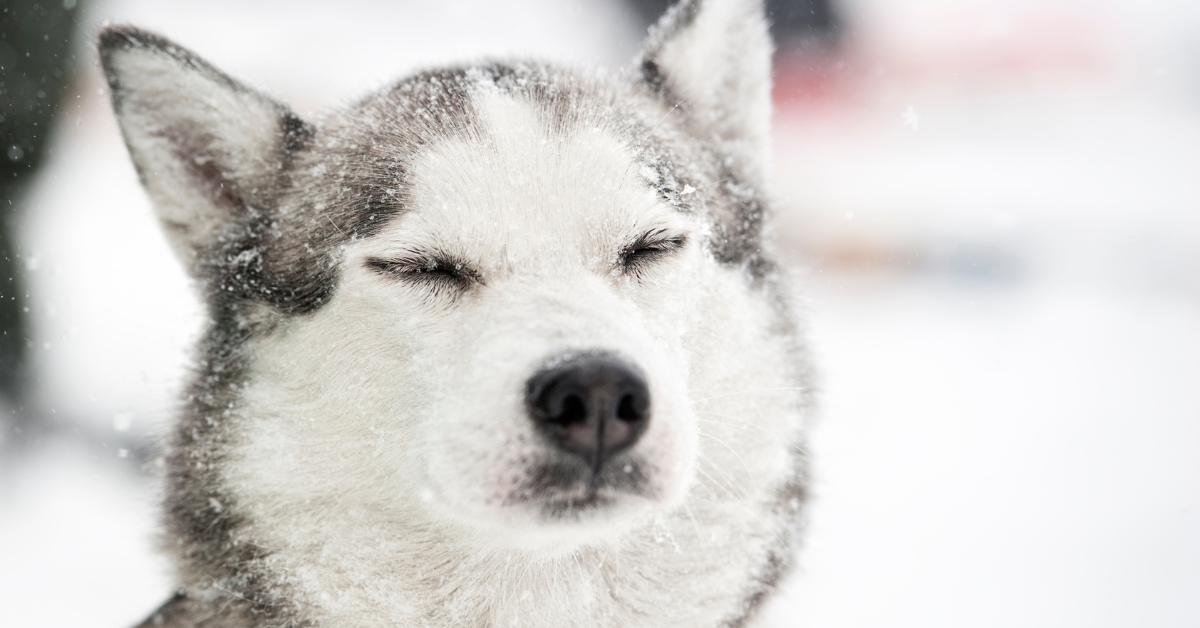
If you want to know what kind of care your dog’s coat needs, it is first important to determine whether your dog has an undercoat. This applies to many breeds, but not all. The fluffy and fine hair of the undercoat should be brushed regularly to prevent it from clumping together or even matting. Generally, it is recommended to brush a dog with an undercoat at least once a week — and daily during shedding season.

Smooth-Haired or Wire-Haired?

The next question to ask yourself is whether your dog has smooth or curly hair, or is wire-haired. Wire-haired dogs such as an Irish Wolfhound or a wire-haired Dachshund require special coat care. Their coat needs to be “hand-stripped” two to four times a year. This is usually done at a grooming salon. In addition, a wire-haired dog — just like dogs with a medium-length coat — should be brushed or combed several times a week.

Short-Haired Dogs

Short-haired dogs with smooth coats usually require the least coat care. If the dog has an undercoat, it is still advisable to brush your pet at least once a week to prevent matting and skin problems. Apart from the biannual shedding period, you generally do not need to do much for the coat of short-haired dogs. Of course, removing sand and dirt is always a good idea.

Long-Haired Dogs

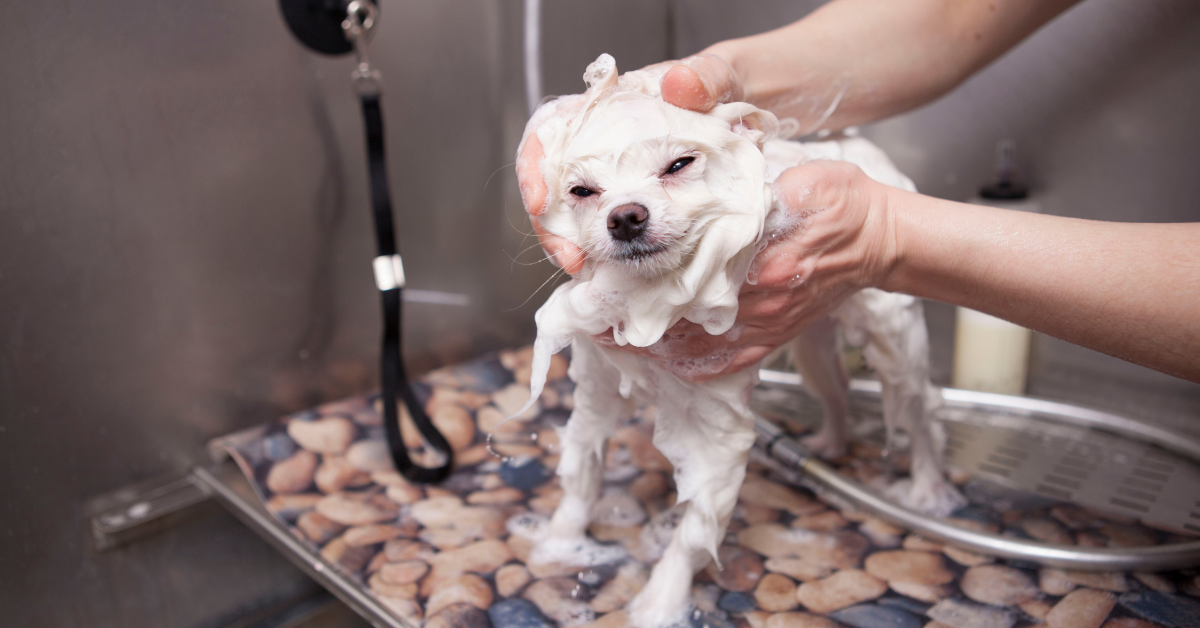
Dogs with long hair require more care. It is advisable to brush or comb long-haired dogs daily. For certain breeds, regular visits to the grooming salon or a bath in the tub are practically unavoidable. In some breeds, such as Poodles, the hair also continues to grow continuously, making regular trimming necessary.

Also interesting:

Skin

Silicon

Skin problems are common in dogs. The mineral silicon is important for the structure and health of the skin, coat, and nails. If the skin is not very elastic or easily damaged, this could indicate a silicon deficiency. The quality of the coat and hair can also deteriorate if a dog does not get enough of this mineral. So, silicon can support your dog if it often has skin problems.

Silicon: Good for the coat and skin of your dog

Skin problems are common in dogs. The mineral silicon is important for the structure and health of the skin, coat, and nails. If the skin is not very elastic or easily damaged, this could indicate a silicon deficiency. The quality of the coat and hair can also deteriorate if a dog does not get enough of this mineral. So, silicon can support your dog if it often has skin problems.. Silicon is necessary for all mammals. The mineral contributes to the structure of the skin, nails, hair, cartilage, tendons, ligaments, joint fluid, and bone. There has been quite a bit of research on the effect of silicon on skin and hair in humans. It turns out that, for example, people with sun damage on their skin, such as liver spots and wrinkles, see clear improvements after taking silicon for 20 weeks. The nails and hair of the study participants also broke much less easily. This is becau...

Skin

Many dogs have an undercoat, but certainly not all of them. This varies by breed. An undercoat has specific characteristics and also requires extra care. But why do dogs actually have an undercoat?

What Is the Function of an Undercoat in Dogs?

Many dogs have an undercoat, but certainly not all of them. This varies by breed. An undercoat has specific characteristics and also requires extra care. But why do dogs actually have an undercoat?. Does your dog have an undercoat? You can find out by taking a close look at the coat. If your dog has an undercoat, you can clearly distinguish two different types of hair. The topcoat hairs are somewhat longer and coarser, while the undercoat hairs are softer and shorter. The undercoat is dense and thick and is more visible in winter. In some dogs, the undercoat is easier to see in certain areas of the body, for example around the neck. Why an Undercoat? The undercoat helps your dog regulate it...

Skin

Many dogs need to be brushed, and some regularly visit a grooming salon. But how exactly does it work? Do you need to brush every dog? And what is the difference between long-haired, short-haired, and wire-haired dogs?

How Do I Care for My Dog’s Coat?

Many dogs need to be brushed, and some regularly visit a grooming salon. But how exactly does it work? Do you need to brush every dog? And what is the difference between long-haired, short-haired, and wire-haired dogs?. Dog groomers distinguish no fewer than thirteen coat types. Dogs can have a double or single coat and long, short, rough, or curly topcoat hair. Each coat type has specific characteristics and requires different care. Undercoat or Not? If you want to know what kind of care your dog’s coat needs, it is first important to determine whether your dog has an undercoat. This applies to many breeds, but not all. The fluffy and fine hair of the undercoat should be brushed regularly to prevent it from cl...

Questions? AskHELTIE!

Are you looking for advice about your dog or horse? Or do you want to know more about conditions or ingredients? Feel free to contact AskHELTIE, and we will be happy to assist you! .