How do you care for your horse’s feathers?

Feathers on a horse can look beautiful and are very characteristic for many breeds. However, to prevent skin problems, mites, or infections, they do require proper care. What is the best way to do this?

Hooves

Others
5 January '26 1 min reading time

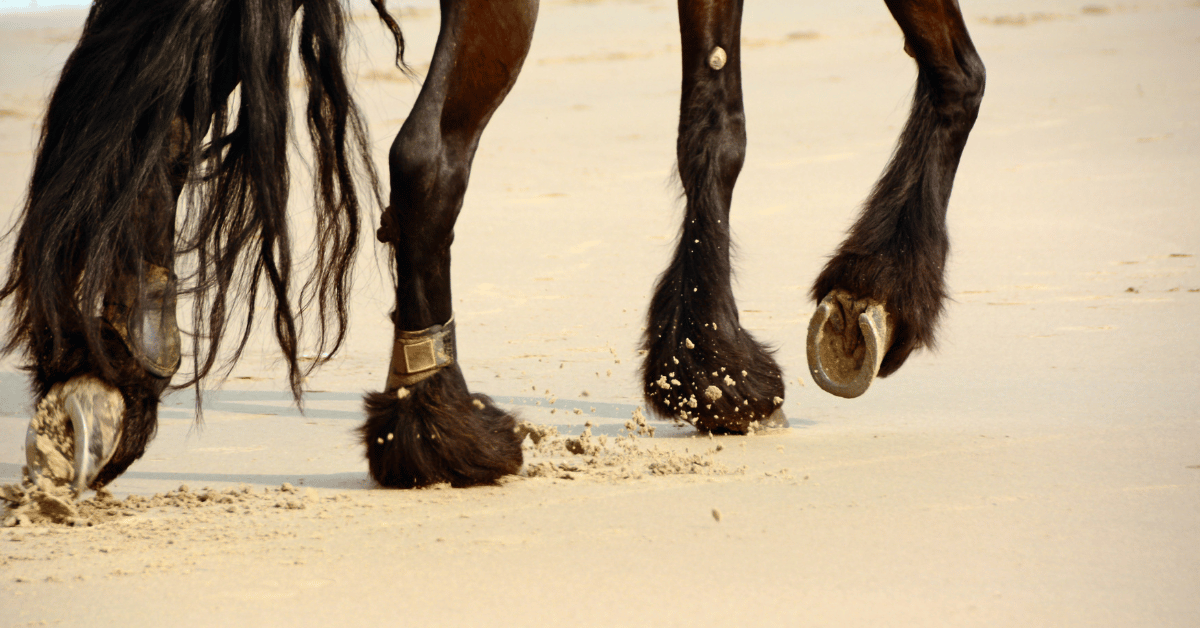
It is always advisable to regularly check the lower legs of a horse with feathers thoroughly. Brush and comb the hair well and inspect the skin in the pastern area and underneath the feathers. Problems in these areas are easily overlooked.

Washing and greasing?

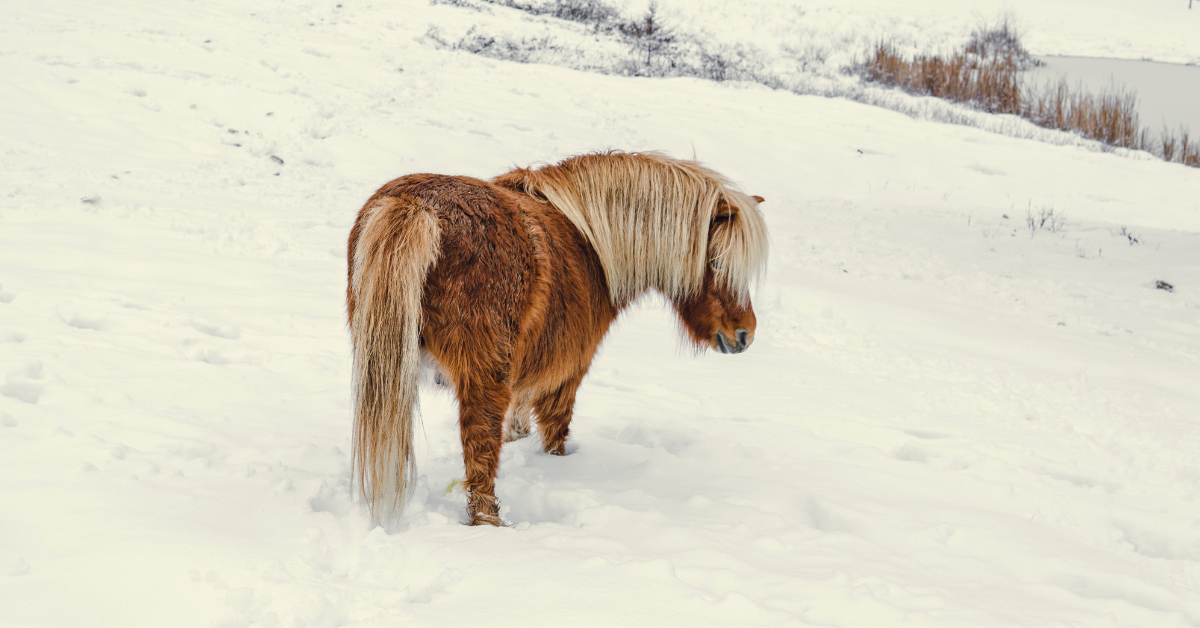
You can wash the feathers occasionally with a mild horse shampoo, but do not do this too often. Excessive washing with soap can make the skin under the feathers more sensitive and removes the natural protective oils. It is especially important that the feathers remain free of parasites and as dry as possible. In muddy or snowy conditions, keep an old towel handy to dry the legs, and if necessary apply a zinc ointment or petroleum jelly to the pastern area to help repel moisture.

Controlling parasites

During the winter months, mites can often become a problem, especially in horses that stand on deep straw bedding and are prone to them. Always treat mites thoroughly and repeatedly, preferably in a natural way, but if necessary following the advice of a veterinarian. The mite life cycle requires multiple treatments, as the eggs usually survive a single treatment. Brushes and other grooming equipment should also be treated with a mite-repellent product.

Clipping?

Feathers protect your horse against cold and mud, but if your horse suffers from significant or persistent skin problems, it may be advisable to (partially) clip the feathers.

Also interesting

Skin

Mites

Autumn, winter, mud and rain... The perfect combination for dirty, wet horse legs. Often, we have the tendency to shave off all the hair of horses. Trim the legs neatly, tidy up the beard, make the ears look nice, and so on. A sleek horse, looking neat without much hair, standing like a real model. But is it really wise to shave everything off?

Did you know that the feathers of the horse keep the legs dry?

Autumn, winter, mud and rain... The perfect combination for dirty, wet horse legs. Often, we have the tendency to shave off all the hair of horses. Trim the legs neatly, tidy up the beard, make the ears look nice, and so on. A sleek horse, looking neat without much hair, standing like a real model. But is it really wise to shave everything off?. Hair has a purpose! By now, it's (hopefully) common knowledge not to touch or shave off the whiskers of a horse. These whiskers are extremely important and serve a crucial function, preventing horses from bumping into things. But the hair in and around the ears also has a purpose: it prevents dirt and water from getting into the ears and protects them from external influences. Never cut/shave the ear shells, leave the hair on the inside intact! The same goes for the hair on the legs of horses, t...

Skin

Others

Welfare

Among horse owners, there is always debate about whether or not you should clip a horse’s leg feathers. Especially in winter, many choose to clip them to keep the legs dry or to make treatment easier. Some also believe it helps prevent mud fever during the wet months. But what is the actual purpose of feathers, and how bad is it if they get wet and muddy?

Wet feathers: how wet do they really get?

Among horse owners, there is always debate about whether or not you should clip a horse’s leg feathers. Especially in winter, many choose to clip them to keep the legs dry or to make treatment easier. Some also believe it helps prevent mud fever during the wet months. But what is the actual purpose of feathers, and how bad is it if they get wet and muddy?. Feathers protect the skin from external influences Breeds like Tinkers, draft horses and Friesians are known for their long leg hair. This wasn’t random; it was bred into them because they originally lived in wetter, rougher environments where the feathers served an important purpose. Feathers have several functions: Weather protection: The long hair protects skin and tendons from cold, rain and mud. It keeps moisture out longer so the skin stays warm and dry. Protection from insects and irritat...

Cannabinoids

Skin

Clove

Mites

Stamping in the winter. A well-known phenomenon in horses, especially in horses with a lot of hair on their legs. Especially when the weather is damp and muggy, and horses stand in the mud more often, it is often a recurring problem. Mites! How do you treat it and especially how do you get rid of it as soon as possible?

Mites in horses, start treatment as soon as possible!

Stamping in the winter. A well-known phenomenon in horses, especially in horses with a lot of hair on their legs. Especially when the weather is damp and muggy, and horses stand in the mud more often, it is often a recurring problem. Mites! How do you treat it and especially how do you get rid of it as soon as possible?. Mites occur in all types of horses Customers often think that their horse cannot have mites because it is a warmblood and does not have socks. This is perhaps the biggest misconception about mites. All horses can be affected by mites, but one horse may be more sensitive to them than another. It is possible that a horse carries mites without showing any symptoms. However, horses with socks are more sensitive to mites, and horses with Chronic Progressive Lymphedema (CPL) are also more sensitive. T...

Questions? AskHELTIE!

Are you looking for advice about your dog or horse? Or do you want to know more about conditions or ingredients? Feel free to contact AskHELTIE, and we will be happy to assist you! .