Do only horses with feathering suffer from mites?
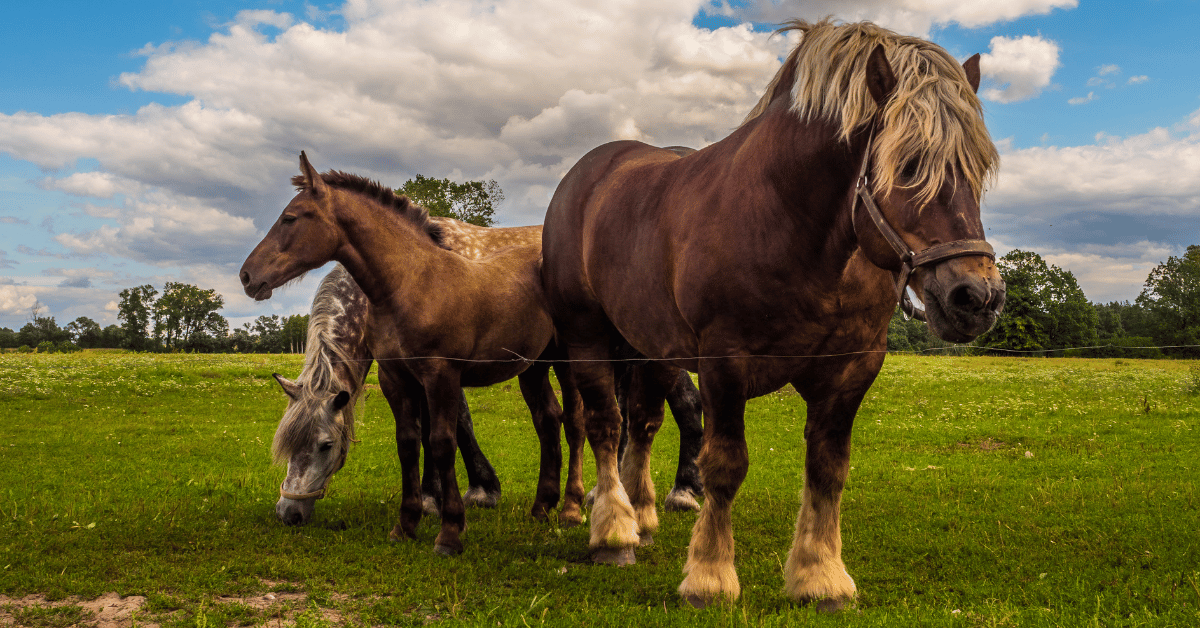
Mites are troublesome parasites that can cause a lot of discomfort for horses. The most well-known are leg mites, which are commonly found in horses with heavy feathering, such as draft horses and Friesians. However, horses without feathering can also suffer from a mite infestation!
Skin
Mites
7 January '26 • 2 min reading time
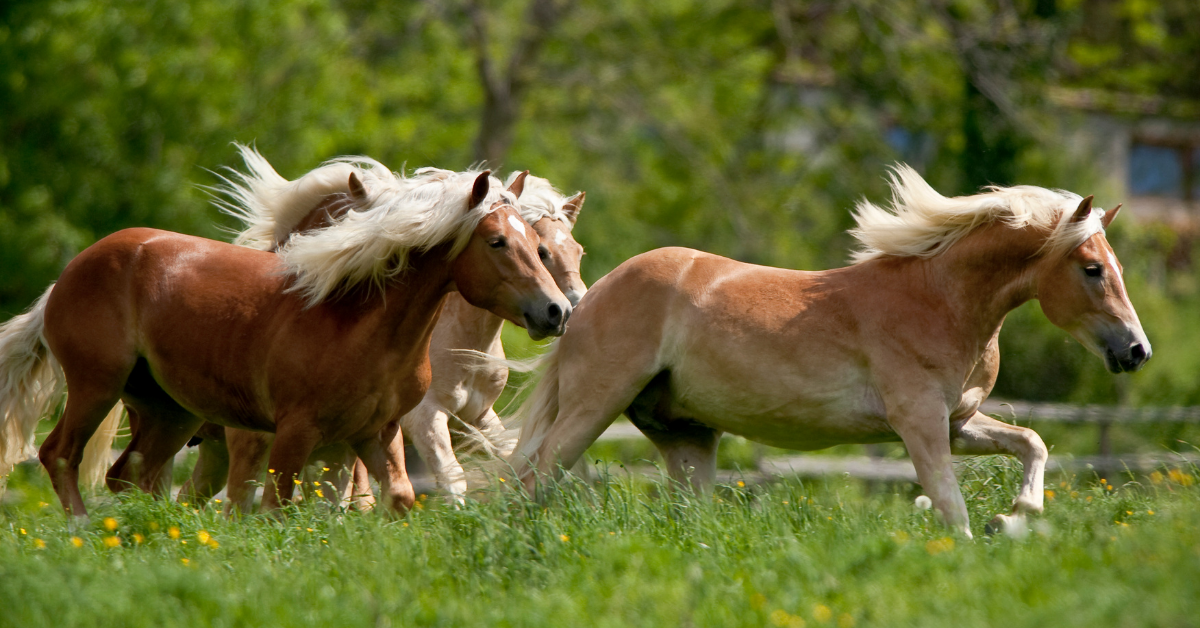
Not only horses with feathering are affected by mites. Mites can infest all horses, regardless of coat colour or markings. In fact, they are sometimes easier to spot on light-coloured coats or on areas with little hair, such as the legs of a warmblood. Nevertheless, mites occur more frequently in horses with a lot of hair on their legs. Mites thrive in warm, moist environments, and thick feathering provides the perfect hiding place. Additionally, a mite infestation is often detected later in horses with heavy feathering. This gives mites more time to multiply and cause damage to the skin. In short: mites can occur in all horses.
Damage and CPL caused by mites
Mites in horses are most common in autumn and winter and can cause itching, scabs and hair loss. They do not only itch; they also burrow into the upper layer of the skin. This results in skin damage and reduced skin resistance, allowing bacterial infections to develop more easily. This is often confused with mud fever. Mud fever can occur on its own, but is often (partly) caused by mites. A mite infestation also increases the risk of cellulitis (lymphangitis) and damage to the lymph vessels in the legs. Over time, this can lead to the painful condition CPL (Chronic Progressive Lymphedema), in which horses develop thickened folds, nodules and cracks, especially on the lower legs. Damage to the lymphatic system is irreversible, making mite prevention extremely important for healthy horse legs.
Mites on legs, head and back
As mentioned above, the most common mite affecting horses in the Netherlands and Belgium is the leg mite (Chorioptes equi). This mite loves thick feathering with warm, moist pastern areas underneath. However, other types of mites can also cause problems in horses, particularly on the head or back. Feathering is not the only invitation for mites to settle on your horse. Horses with already compromised skin are also more susceptible. Therefore, regularly check your horse’s skin and coat, especially the legs and pasterns. This is particularly important for horses that have a lot of contact with other (possibly infected) horses and during wet or muddy conditions. Be aware that a thick straw bedding is also a favourite hiding place for mites.
Prevention and control
Because mite infestations increase the risk of cellulitis, lymph vessel damage and even CPL, mites should always be treated thoroughly and effectively. If your horse suffers from a severe mite infestation, contact your veterinarian and follow their instructions carefully. To break the mite life cycle, multiple treatments are necessary, as the eggs can survive for a long time. Natural treatment options are also possible – feel free to contact us for advice. In addition, it is important to support your horse’s resistance and balance, for example with an extract from the clove plant. The compounds in this plant also have anti-inflammatory and pain-relieving properties. To prevent mites from settling on your horse, you can use an herbal supplement that makes your horse less attractive to these parasites. This supplement is simply added to the feed.