When is the risk of fleas in dogs highest?

Fleas are a common problem in dogs. The risk of a flea infestation is not the same throughout the year. In the Netherlands, the flea season mainly occurs during the warmer months, from spring (April–May) through autumn (September–October). Why is that? And how can you prevent fleas in your dog?

Fleas & ticks
16 April '26 2 min reading time

Fleas are highly sensitive to weather conditions and thrive best at temperatures between 20 and 28 degrees Celsius. They also prefer high humidity. Under these conditions, they reproduce most effectively and will frequently bite to feed on blood. At temperatures below 10 degrees, but also above 35 degrees, fleas tend to die more quickly.

Summer

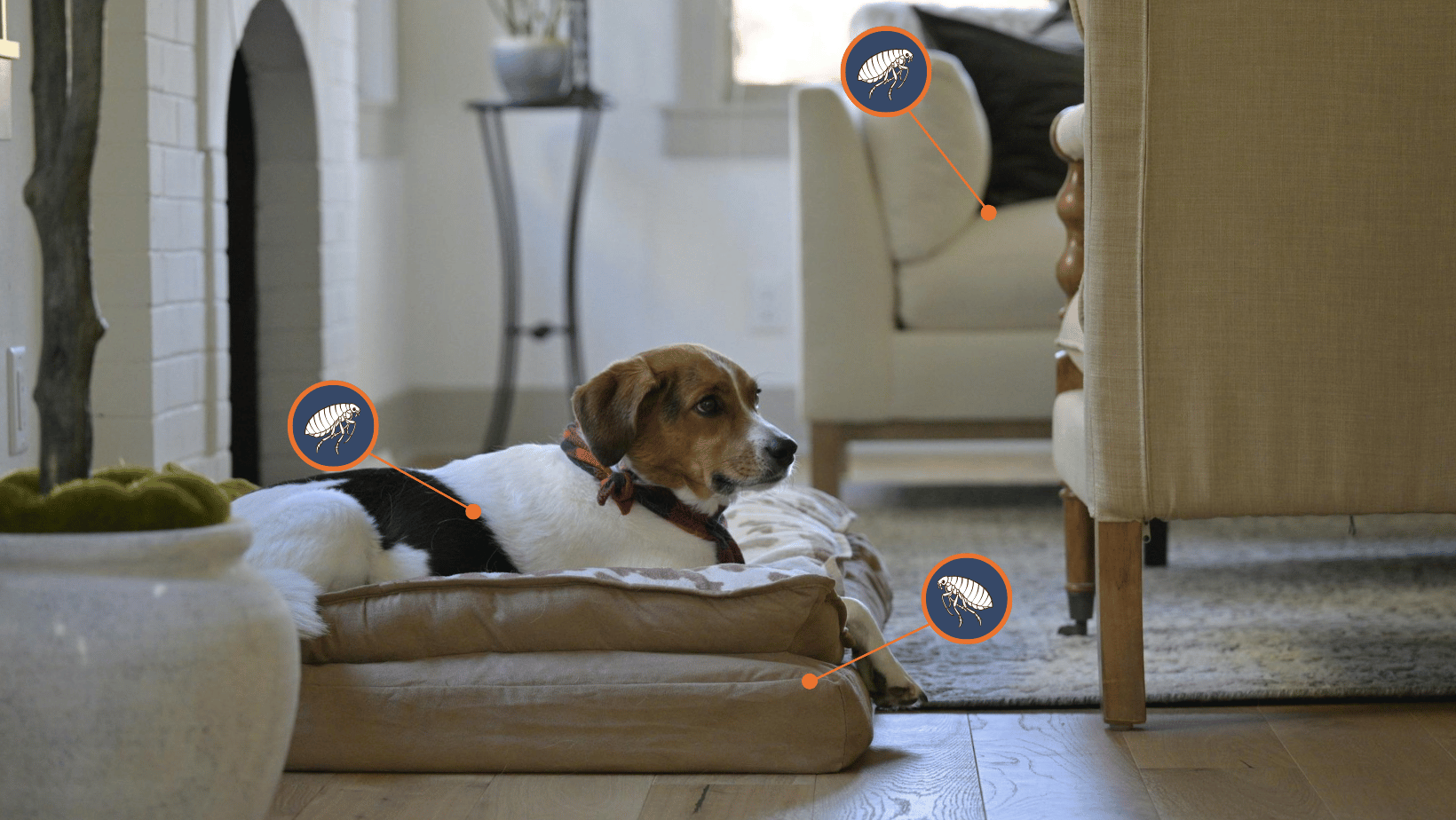
In summer, as well as during a warm spring or autumn, conditions are ideal for the development of flea eggs, larvae, and pupae. The population can then increase rapidly—on your dog, in its bed, or in your home. Fleas can also survive during winter, especially indoors where it is warm. However, peak flea activity clearly occurs during the summer months.

Prevention is important

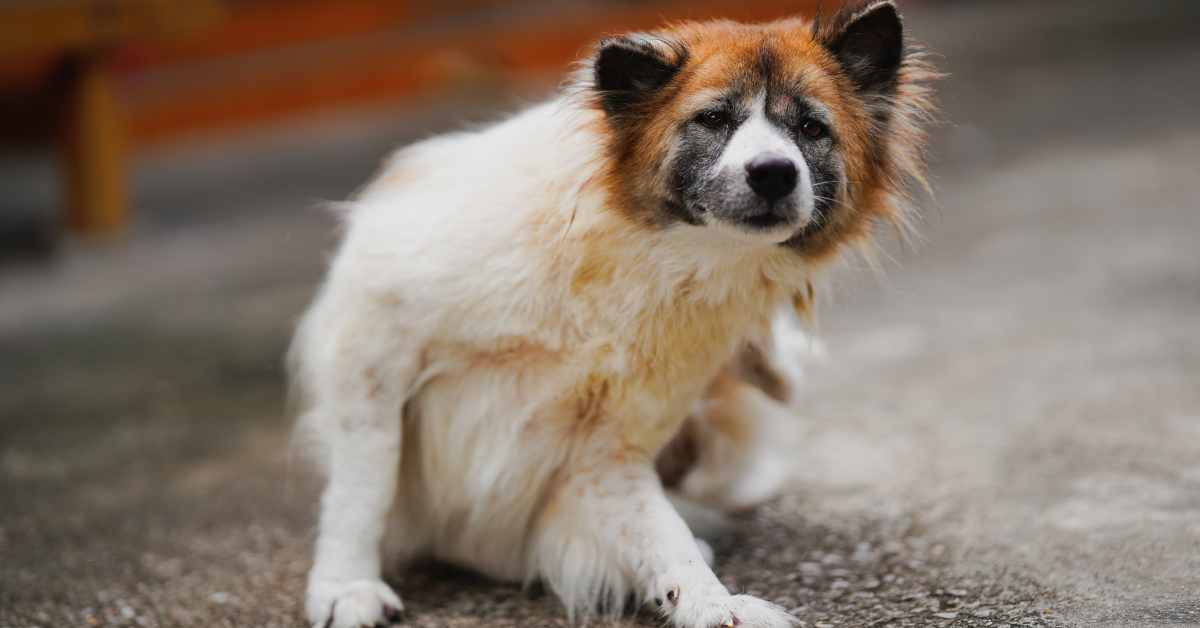
Fleas are not only annoying for your dog, but they can also cause health problems. These include itching, skin irritation, and allergic reactions. If your dog carries a large number of fleas, it can even lead to anemia, especially in smaller or young dogs. In addition, fleas can transmit tapeworms. The flea acts as an intermediate host: worm larvae hide inside the flea pupae. When the flea emerges, the worm has already established itself inside it. When that flea jumps onto your dog, the dog will start scratching and biting, potentially ingesting the fleas. These then enter the dog’s intestines, where the tapeworm can develop and cause intestinal issues and other health problems.

Preventing fleas

Check and groom your dog regularly. A flea comb helps detect and remove fleas. Especially after walks in areas with lots of grass or shrubs, checking is important. Also maintain good hygiene in your home, as fleas often hide in the dog’s environment such as bedding, blankets, and toys. Wash these regularly at high temperatures. Vacuuming floors, carpets, and cracks and crevices is also very important to prevent an infestation. For your dog, there are effective treatments such as spot-ons and flea collars. The downside of these products is that they are not always very environmentally friendly.

Health from within

A healthy dog with healthy skin is more resistant to intruders like fleas. You can support your dog’s health from within by providing a supplement for skin and coat health. Ingredients such as zinc and biotin help maintain strong, elastic, and resilient skin. Salmon oil is also an excellent supplement for a healthy skin and coat. If your dog suffers from itching, a spray that supports the skin microbiome can be a good solution. This spray contains “good bacteria”—beneficial microorganisms that naturally belong on the skin and help support its health.

Also interesting:

First Aid

Skin

Fleas and ticks can be both irritating and risky for dogs. These parasites cause itching and can transmit diseases. Therefore, it is wise to protect your dog as much as possible against fleas and ticks. If your dog has already been bitten, there are various things you can do to minimize the consequences of a bite.

How dangerous are fleas and ticks for dogs?

Fleas and ticks can be both irritating and risky for dogs. These parasites cause itching and can transmit diseases. Therefore, it is wise to protect your dog as much as possible against fleas and ticks. If your dog has already been bitten, there are various things you can do to minimize the consequences of a bite.. For both fleas and ticks, prevention is better than cure. In addition to prevention in the form of a flea collar or flea drops, you can also think about checking your dog thoroughly for ticks after a walk. Additionally, it is important that your dog has healthy skin and coat. You can support your dog's skin and coat from the inside with a dietary supplement of salmon oil and from the outside with a spray of good bacteria. Fleas - risks and consequences A dog can pick up fleas from another infect...

Skin

Fleas & ticks

Medication can cause side effects. This also applies to the chemical products we often use to combat fleas in dogs. While these flea control products are often effective against fleas and sometimes also lice and ticks, various negative effects can occur in dogs due to these chemical agents.

Negative Side Effects of Chemical Flea Control in Dogs

Medication can cause side effects. This also applies to the chemical products we often use to combat fleas in dogs. While these flea control products are often effective against fleas and sometimes also lice and ticks, various negative effects can occur in dogs due to these chemical agents.. A spot-on treatment or a flea collar works based on chemicals. Some of these are known for their toxic effects, such as fipronil. Side effects that can occur with chemical flea control include: Vomiting and nausea Diarrhea Excessive salivation (after licking the product) Itching, bald spots, skin ulcers, and color changes in the coat Lethargy Nervousness Neurological symptoms such as ataxia (loss of muscle control) or trembling, and in severe cases, even seizures. It appears that smaller dogs ar...

Fleas & ticks

It can happen to anyone: a flea infestation at home! If you’re not careful, fleas can multiply rapidly. A quick playdate with an infected pet, and a few days later your dog might be scratching intensely and have a coat full of eggs. The fleas have probably already spread throughout your house. How can you stop such an infestation quickly and effectively?

Oh no, a flea infestation – what steps should I take?

It can happen to anyone: a flea infestation at home! If you’re not careful, fleas can multiply rapidly. A quick playdate with an infected pet, and a few days later your dog might be scratching intensely and have a coat full of eggs. The fleas have probably already spread throughout your house. How can you stop such an infestation quickly and effectively?. The life cycle of a flea consists of four stages: egg, larva, pupa, and adult flea. Female fleas can lay hundreds of eggs, usually in the fur of an animal – your dog, for example. The eggs fall off and develop in the environment, such as in cracks, under baseboards, or in dog beds and furniture. Even if you see only a few fleas, the infestation might already be growing fast. The eggs hatch, the larvae feed on organic material and flea dirt, then pupate, and adult fleas emerge. They look for a ho...

Questions? AskHELTIE!

Are you looking for advice about your dog or horse? Or do you want to know more about conditions or ingredients? Feel free to contact AskHELTIE, and we will be happy to assist you! .