What Do Those Ridges on a Horse’s Hooves Mean?

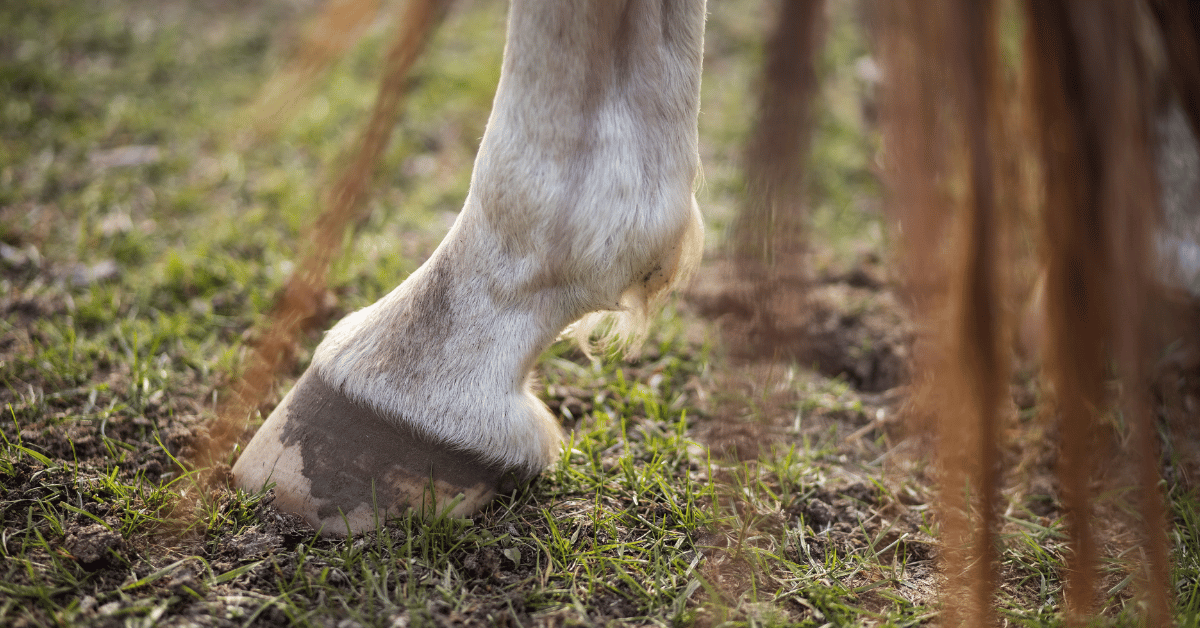
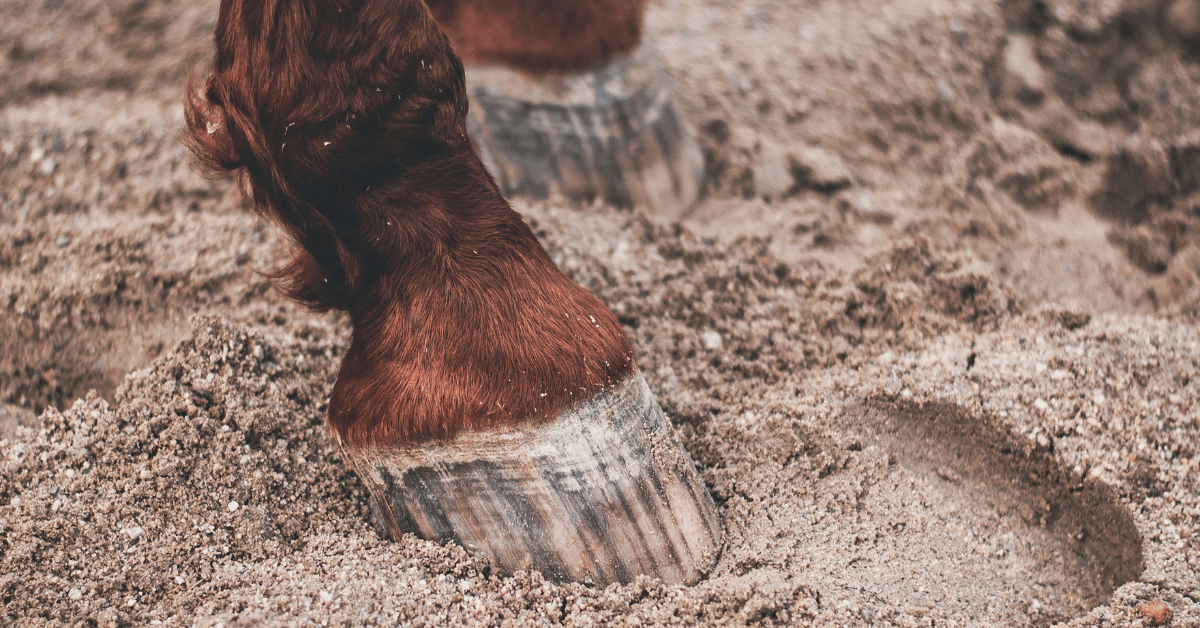
Sometimes you can see horizontal ridges on the hooves of horses or ponies. Many people worry that this indicates past laminitis. That can be true, but it doesn’t have to be. So what do these ridges really mean, and how can you get a smooth, healthy hoof wall?

Hooves

Welfare
15 December '25 1 min reading time

The hoof wall grows from top to bottom – from the coronary band just below the last hairs to the sole that touches the ground. It takes around 8 months to a year for a hoof to fully regenerate. Hoof growth problems remain visible for a long time, and improvements are often only noticeable at the bottom – sometimes only after a year. Patience is essential to improve hoof health.

Hoof wall movement

The hoof wall is 6–12 millimeters thick. The outer surface repels water but is not rigid; it is slightly elastic. When the hoof bears weight, the wall compresses slightly and expands again when lifted – this is called the hoof mechanism. It helps pump waste products away and keeps the hoof healthy.

Hoof wall growth

Hooves grow faster in summer than in winter. Nutrition is key: sufficient minerals like silicon and magnesium support even and healthy growth. Illness or stress can weaken the hoof wall and create horizontal ridges – growth rings that slowly move downward.

Role of nutrition

A common cause of horizontal ridges is excess sugar or starch in the diet. Metabolic issues weaken the white line, making the hoof wall more fragile. This can eventually lead to insulin resistance and laminitis, causing new ridges to appear. Nutrient deficiencies in vitamins or minerals can also create ridges.

Regular trimming and shoeing

Ridges can also occur if pressure is uneven, for example due to poor hoof alignment or overly long hooves. A healthy hoof wall is thick, smooth, free of cracks, frays or chips, and shows an unbroken white line.

Strengthening hooves from within

To improve hoof growth and strengthen the wall from the inside, liquid silicon can be added to the feed. It supports hoof growth, strengthens tendons, coat, and bones, and shows effects after about six months. For soft or sensitive frog areas, a hoof gel can help maintain frog health and protect the hoof from external damage.

Also interesting

Hooves

Minerals

Silicon

The expression 'No foot, no horse' is old. And a cliché. But yes, healthy and strong hooves are indeed vital for your horse. We list the most important ailments and give you tips to keep your horse's hooves healthy.

No hoof, no horse! What to do in cases of hoof cancer, thrush, and crumbling hooves?

The expression 'No foot, no horse' is old. And a cliché. But yes, healthy and strong hooves are indeed vital for your horse. We list the most important ailments and give you tips to keep your horse's hooves healthy.. The most common 'problem' with horse hooves is crumbling. Especially in dry conditions, many horses have crumbling hooves. Pieces of hoof break off and it doesn't look very nice. Fortunately, it's usually not a very big problem and a visit from the farrier usually resolves it. Sometimes crumbling is (partly) caused by a mineral deficiency. To prevent hooves from crumbling, it is important for you to: Give your horse enough minerals and nutrients Provide enough (free) exercise Not constantly keep...

Hooves

Silicon

Hoof problems are common in horses. For example, thrush can be a persistent issue in wet weather or when horses spend many hours in the stable. Many people treat hoof problems from the outside with sprays, pastes, or oils. However, it is often also wise to support your horse from the inside. This is especially true for thrush and brittle hooves, as well as for laminitis.

Silicon as Internal Support for Thrush and Laminitis

Hoof problems are common in horses. For example, thrush can be a persistent issue in wet weather or when horses spend many hours in the stable. Many people treat hoof problems from the outside with sprays, pastes, or oils. However, it is often also wise to support your horse from the inside. This is especially true for thrush and brittle hooves, as well as for laminitis.. Laminitis is a metabolic disease that can have a severe impact on the quality of the hooves. The laminae in the hoof wall can detach, which is very painful for the horse. In the early stages of laminitis, the horse may be slightly sensitive or stumble, and if it progresses, you often see the typical stance with extended front legs to relieve the hooves. Hoof Health from Within For healthy hooves, building materials are necessary. Your horse obtains the building materials for all hoof tissue from...

Hooves

Diseases

Welfare

A horse prone to laminitis can experience hoof problems even in the winter months. There are multiple causes, but as an owner, you can take many steps to support your horse during the cold season.

Sensitive to Laminitis? Support Your Horse in Winter!

A horse prone to laminitis can experience hoof problems even in the winter months. There are multiple causes, but as an owner, you can take many steps to support your horse during the cold season.. Laminitis is a painful condition, often triggered when a horse consumes sugar-rich grass. However, horses can also be affected in winter – either by “regular” laminitis or winter laminitis. What is winter laminitis? Winter laminitis occurs when cold weather causes blood vessels in the hooves to constrict. Less blood flows to the legs and hooves, and the adrenal glands produce more cortisol, which also constricts blood vessels. In healthy horses, this is usually fine, but older horses (possibly w...

Questions? AskHELTIE!

Are you looking for advice about your dog or horse? Or do you want to know more about conditions or ingredients? Feel free to contact AskHELTIE, and we will be happy to assist you! .