Sensitive to Laminitis? Support Your Horse in Winter!

A horse prone to laminitis can experience hoof problems even in the winter months. There are multiple causes, but as an owner, you can take many steps to support your horse during the cold season.

Hooves

Diseases

Welfare
11 December '25 1 min reading time

Laminitis is a painful condition, often triggered when a horse consumes sugar-rich grass. However, horses can also be affected in winter – either by “regular” laminitis or winter laminitis.

What is winter laminitis?

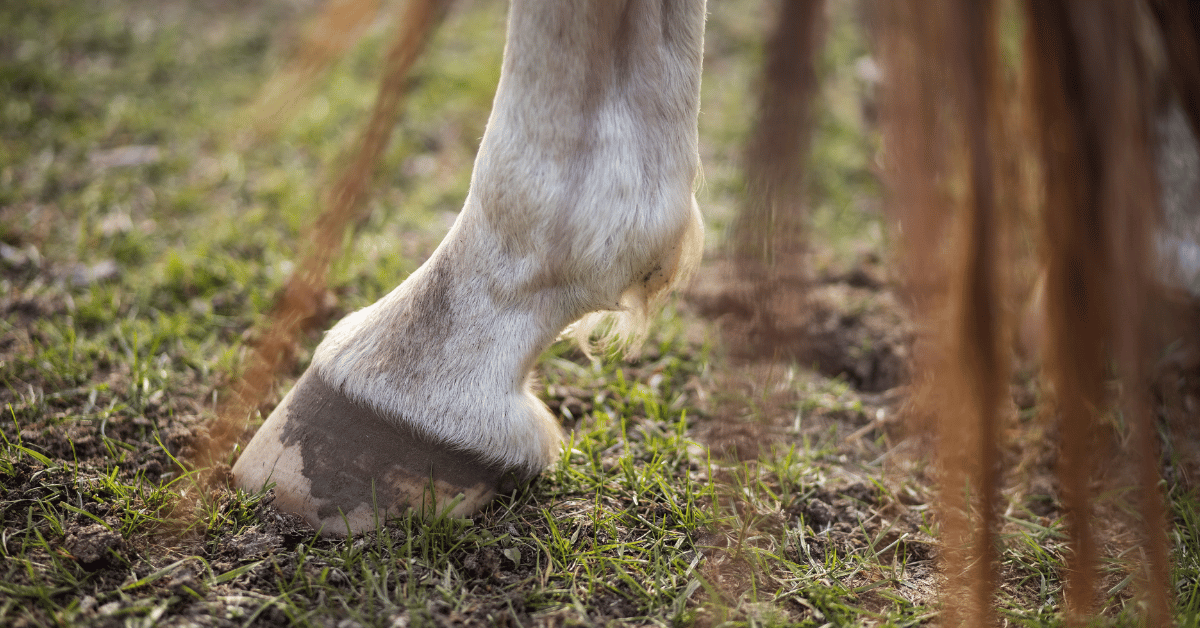
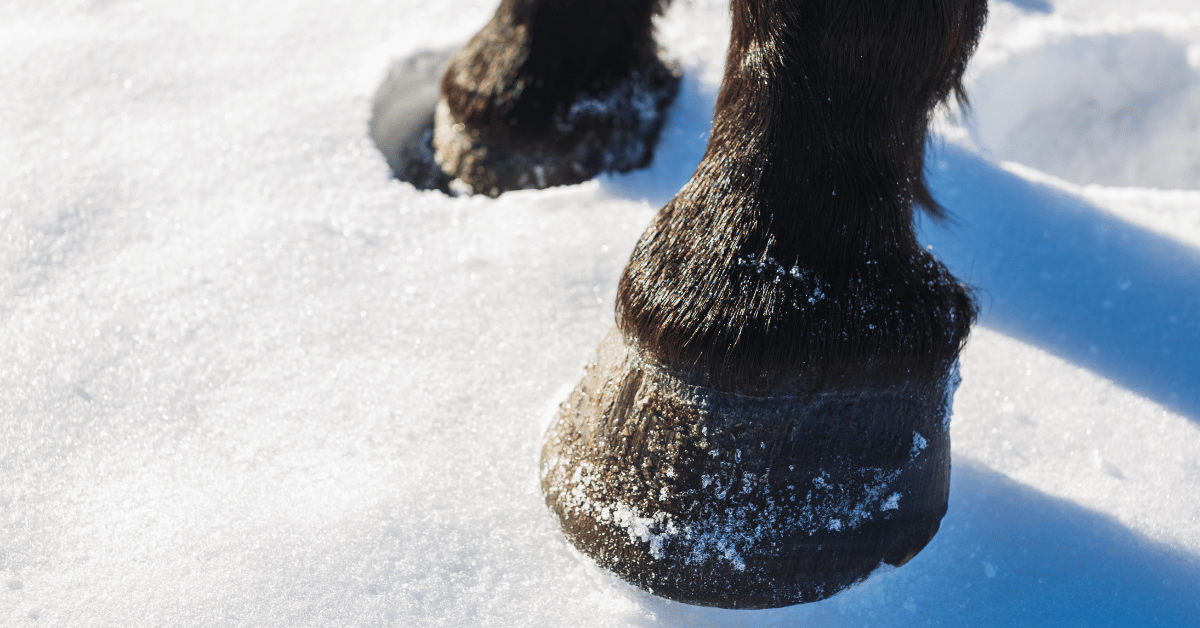
Winter laminitis occurs when cold weather causes blood vessels in the hooves to constrict. Less blood flows to the legs and hooves, and the adrenal glands produce more cortisol, which also constricts blood vessels. In healthy horses, this is usually fine, but older horses (possibly with PPID) or insulin-resistant horses may experience pain. Horses with previous laminitis damage are also more sensitive to this “winter foot pain.”

Frost and sun

While grass is mostly risky in spring, sunny winter mornings can also contain high fructan levels, especially after overnight frost. In winter, grass is often shorter and “stressed,” increasing fructan content. Excess fructan can trigger laminitis.

Supporting your horse with good management

Horses prone to laminitis and winter foot pain benefit from:

  • Avoiding pasture with high fructan content
  • Low-sugar winter rations
  • Good blankets and optional leg coverings
  • Hoof boots on hard, frozen, sharp, or uneven ground
  • Free movement and unlimited roughage

Roughage generates heat through fermentation in the cecum and large intestine. Horses often consume more hay in cold weather to maintain body warmth.

Monitor hoof health

Hoof gel can help maintain healthy hooves, especially in wet conditions. Check hooves regularly, treat small issues promptly, and schedule regular visits from your farrier or trimmer.

Herbs and supplements

Certain herbs can help reduce blood vessel constriction in the cold (e.g., ginger), and L-arginine can support sensitive horses. Year-round, ensure sufficient vitamins and minerals for hooves, cartilage, and bone. Silicon promotes natural glucosamine production; copper and zinc are also important. Vitamins C and D are beneficial for older horses or those wearing blankets year-round.

For horses already experiencing hoof pain, plant extracts like clove and black cumin may help reduce inflammation and alleviate discomfort.
Also interesting

Insulin resistance

Diseases

When it gets cold in winter, some horses become sensitive or careful when walking, even on good ground. Sometimes these horses even stretch their front legs forward to relieve pressure on their hooves. This may look like laminitis, but it is not. The causes and solutions are different.

Can Winter Laminitis Be Prevented in Horses?

When it gets cold in winter, some horses become sensitive or careful when walking, even on good ground. Sometimes these horses even stretch their front legs forward to relieve pressure on their hooves. This may look like laminitis, but it is not. The causes and solutions are different.. Winter laminitis – nowadays also called winter foot pain – is different from regular laminitis. Some symptoms are similar, such as difficulty walking or changing posture to relieve the hooves. Winter laminitis can occur in cold weather (usually during frost). Horses with winter laminitis do not have warm hooves. This is a major difference from regular laminitis, where the hooves feel warm and a throbbing pulse can be felt in the hoof. In winter laminitis, there is no inflammation, so the hooves...

Hooves

Silicon

Hoof problems are common in horses. For example, thrush can be a persistent issue in wet weather or when horses spend many hours in the stable. Many people treat hoof problems from the outside with sprays, pastes, or oils. However, it is often also wise to support your horse from the inside. This is especially true for thrush and brittle hooves, as well as for laminitis.

Silicon as Internal Support for Thrush and Laminitis

Hoof problems are common in horses. For example, thrush can be a persistent issue in wet weather or when horses spend many hours in the stable. Many people treat hoof problems from the outside with sprays, pastes, or oils. However, it is often also wise to support your horse from the inside. This is especially true for thrush and brittle hooves, as well as for laminitis.. Laminitis is a metabolic disease that can have a severe impact on the quality of the hooves. The laminae in the hoof wall can detach, which is very painful for the horse. In the early stages of laminitis, the horse may be slightly sensitive or stumble, and if it progresses, you often see the typical stance with extended front legs to relieve the hooves. Hoof Health from Within For healthy hooves, building materials are necessary. Your horse obtains the building materials for all hoof tissue from...

Cannabinoids

Clove

Black cumin

Clove and black cumin are supplements that are often used for the same conditions. These plant extracts have anti-inflammatory and analgesic properties. A combination of black cumin and clove is most powerful for acute situations and new injuries. If your horse needs chronic support, for example for allergies, insulin sensitivity, or summer eczema, then clove can also be used alone.

Why a combination of black cumin and cloves works so well

Clove and black cumin are supplements that are often used for the same conditions. These plant extracts have anti-inflammatory and analgesic properties. A combination of black cumin and clove is most powerful for acute situations and new injuries. If your horse needs chronic support, for example for allergies, insulin sensitivity, or summer eczema, then clove can also be used alone.. Liquid supplements of black cumin and clove are both powerful extracts made from the whole plant. A clove supplement is even made from several types of clove plants and is therefore of a totally different composition than cloves bought in the store. Black cumin extract also comes from the entire plant, a plant that is not the same as the cumin seeds found in the supermarket. These are special supplements for horses, although black cumin oil is also available for humans. What does thymoquinone fr...

Questions? AskHELTIE!

Are you looking for advice about your dog or horse? Or do you want to know more about conditions or ingredients? Feel free to contact AskHELTIE, and we will be happy to assist you! .