Mud fever in horses – should you clip the feathering or not?
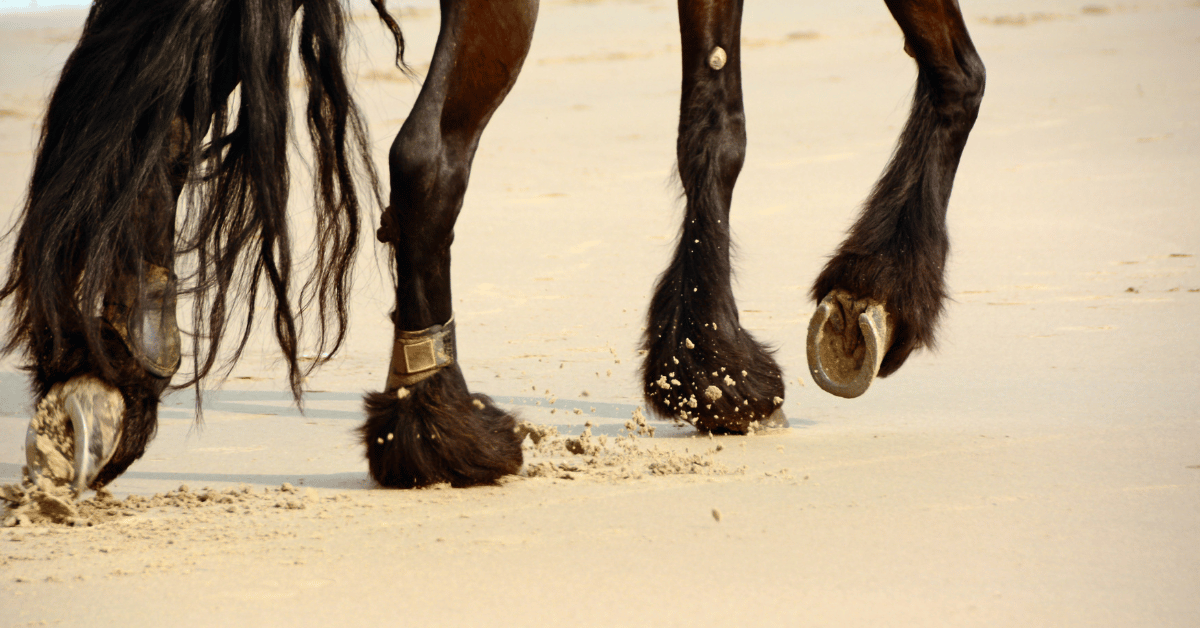
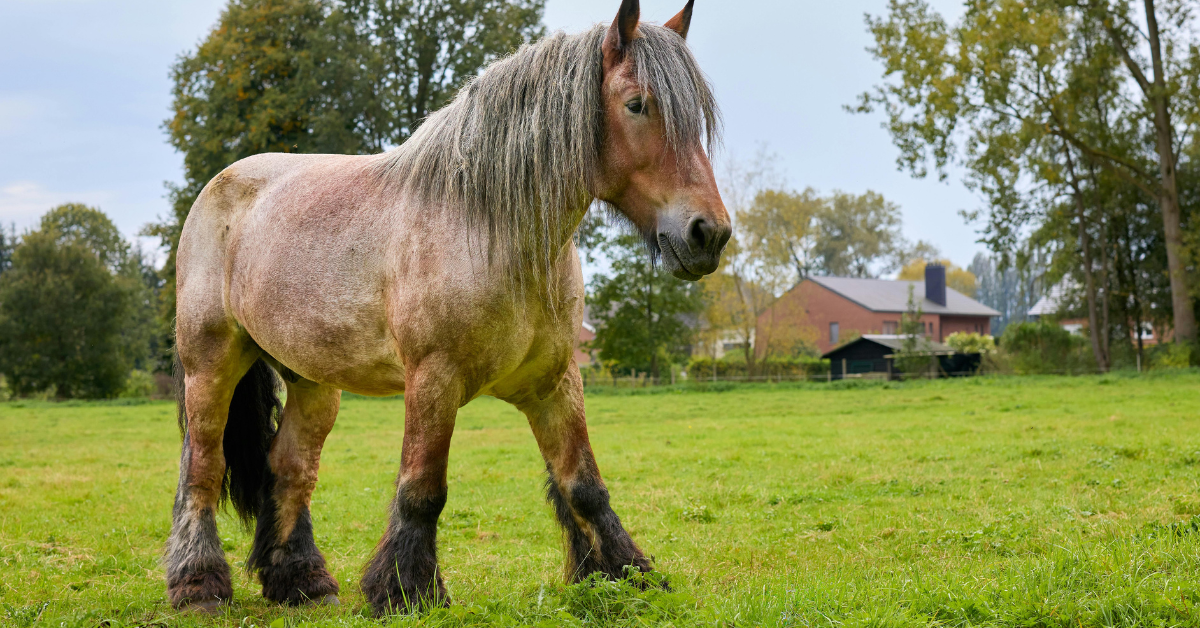
Horses with long feathering are especially prone to mud fever and other skin problems. The long hair makes it difficult to properly monitor the skin underneath and also provides an ideal hiding place for parasites such as mites. At the same time, feathering is beautiful and characteristic of many horses. So the question is: should the feathering be removed when a horse has mud fever?
Skin
Mites
Welfare
8 January '26 • 2 min reading time
Mud fever is a collective term for scabs, flakes, swelling and sometimes painful sores on the lower leg and in the pastern area of the horse. It can be caused by prolonged exposure to mud and wet conditions, which weaken the skin and allow bacteria to cause infections. Internal waste products and metabolic imbalance are also major contributing factors. In some cases, a mite infestation plays a role as well. Mites weaken the skin structure of the lower legs, making infections more likely. When the wet autumn season begins, many horses and ponies suffer from mud fever and itching.
Treating mud fever and mites
There is no miracle cure that works for all cases of mud fever. There are creams and ointments that help keep the skin supple, and a veterinarian may prescribe an antibiotic ointment if a bacterial infection is present. Some owners use zinc-based creams, such as Sudocrem, to protect the pasterns from external irritants. Sprays based on micro-organisms can also be very effective. However, in all cases of mud fever, internal support and treatment are essential. If a horse has a mite infestation, repeated treatment with an anti-mite product is unavoidable, preferably one based on natural ingredients.
Hiding in the feathering
Leg mites thrive in horses with feathering. They prefer to hide in the warm, moist environment underneath the long hair. This is why horses with heavy feathering more often suffer from mud fever, mites and infections of the lymphatic system, which may eventually lead to CPL. Feathering is not only a perfect hiding place for mites; shampoos and other cleansing products also penetrate the skin less effectively when the horse has long hair on the legs.
Clipping before treatment
If your horse clearly shows signs of mud fever, scaling and/or a mite infestation, at the very least clip the pastern area. Ideally, the entire lower leg should be clipped. If you are reluctant to remove all the feathering, you can place an elastic band just above the pastern. Clip the sides and front of the lower leg, but leave a triangular section of feathering from halfway up the cannon bone. Make sure the pastern underneath the feathering is fully clipped. This way, some feathering remains visible, while still allowing proper access to the skin for cleaning and treatment. Always disinfect your clippers after use with a product specifically effective against mites.
Treatment with shampoos and ointments
Once the legs are clipped, washing becomes easier and the pasterns can be dried thoroughly. This prevents moisture build-up. After drying, apply a protective cream or ointment recommended by your veterinarian. In cold weather, a greasy cream is advised, as clipping and cold temperatures make the skin more vulnerable. During the healing process, try to avoid wet pastures or damp stable conditions.
After treatment
Once the mud fever and/or mite infestation has cleared, the feathering will grow back naturally. You may also choose to keep the pastern area clipped permanently, allowing you to monitor the skin more easily. To protect your horse from mud fever internally, you can support the immune system with a mild detox, such as nettle extract. Clove may also help reduce inflammation and support overall resistance. To prevent mites from returning to the feathering, an herbal supplement added to the feed can be helpful, making your horse less attractive to these parasites.