

How to Reduce Stress in Dogs
Not only humans, but also dogs can experience stress. Prolonged or intense stress is harmful to your dog's well-being and can even cause physical health problems.
Stress
4 December '25 • 2 min reading time
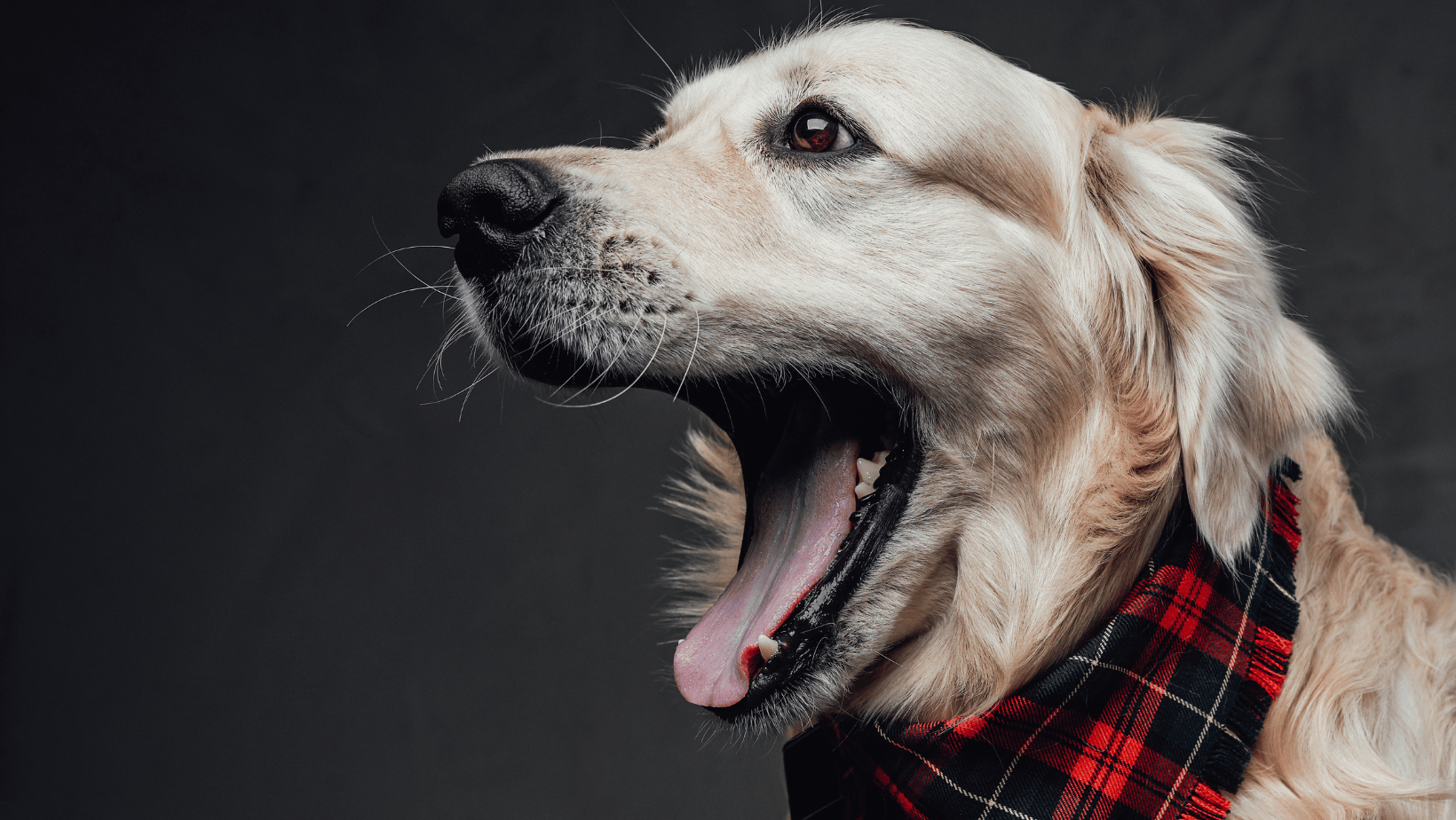
Dogs have over 40 different ways to show stress. Unfortunately, these signals are not always recognized, as they may also indicate medical issues. The ten most common stress signals in dogs are:
- Yawning
- Looking away/turning away
- Lip licking
- Shaking/trembling
- Tail tucked or low
- Excessive scratching without obvious reason
- Panting (without exertion)
- Avoidance behavior, hiding
- Showing the whites of the eyes
- Sudden excessive sniffing
Reducing Stress in Dogs
There are several ways to reduce stress in dogs. Creating a safe environment is crucial—a quiet place where your dog can retreat. A consistent daily routine for feeding, walking, and sleeping gives your dog stability. Adequate exercise and playtime are also important as an outlet. The amount depends on the dog's breed and age. Mental stimulation is equally important, for example through food puzzles, scent games, or other brain exercises.
Positive Interaction with Owner and Environment
It’s important your dog knows when they are doing well. Use treats, petting, or toys to reward good behavior and build confidence. Stay calm and clear, focus on positive communication, and avoid punishment. Introduce new people, animals, and environments gradually and associate new situations with positive experiences.
Nutrition and Supplements
A healthy, balanced diet supports mental resilience. Deficiencies in magnesium and DHA can contribute to stress, anxiety, or aggression. Magnesium can be supplemented, and DHA is found in salmon oil. After periods of high stress or lowered immunity, supporting the ECS system can be beneficial. A liquid clove extract is effective, and a herbal mix with valerian, hops, and chamomile can help during short-term stress without making your dog sleepy.
Persistent Stress
Chronic pain, hormonal imbalances, or old trauma can cause ongoing stress. If stress continues despite these tips, consult a veterinarian or a dog behaviorist.
Sources
Re, S., Zanoletti, M. & Emanuele, E. Aggressive dogs are characterized by low omega-3 polyunsaturated fatty acid status. Vet Res Commun 32, 225–230 (2008). https://doi.org/10.1007/s11259-007-9021-y
Papagianni, E.P., Stevenson, C.W. Cannabinoid Regulation of Fear and Anxiety: an Update. Curr Psychiatry Rep 21, 38 (2019). https://doi.org/10.1007/s11920-019-1026-z
Andrea J. Narayan, Luke A. Downey, Brooke Manning, Amie C. Hayley, Cannabinoid treatments for anxiety: A systematic review and consideration of the impact of sleep disturbance, Neuroscience & Biobehavioral Reviews, Volume 143, 2022, 104941, ISSN 0149-7634. https://doi.org/10.1016/j.neubiorev.2022.104941

.png)
