Optimal health for mare and foal

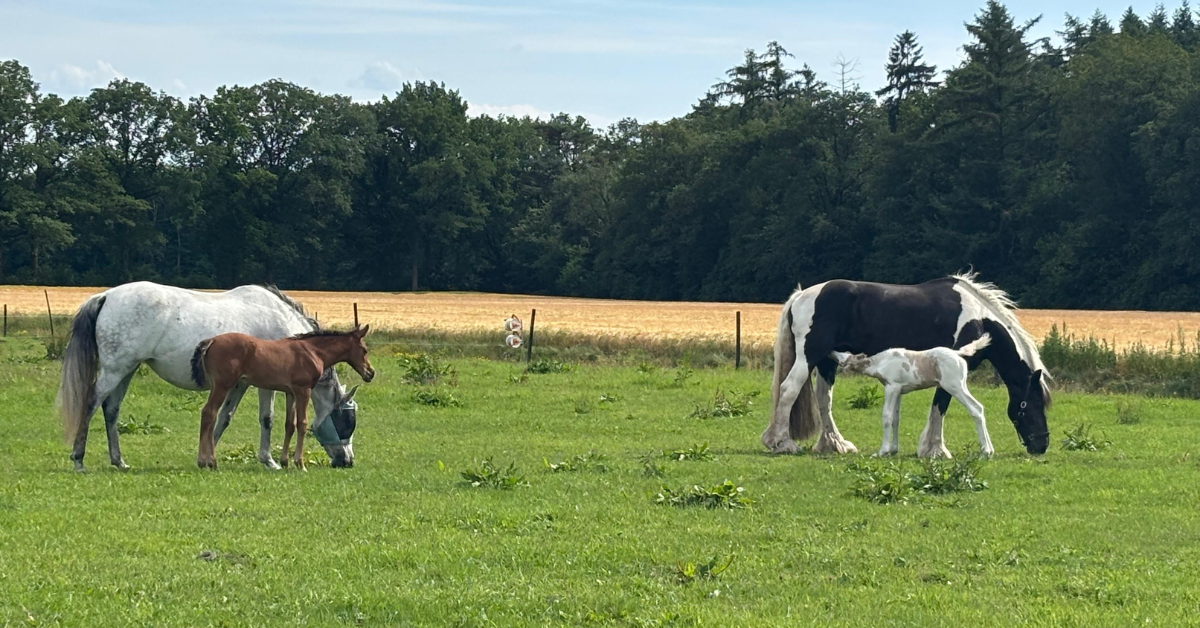
The birth of the foal has gone well, the young animal is frolicking in the pasture, and the mare is doing well as a mother. That is what every breeder dreams of. After a good start, how do you ensure that both mare and foal continue to thrive? What should you pay attention to, and how can you support both?

Welfare

Breeding
14 April '26 2 min reading time

During the first three months, the foal receives its nutrients (and therefore building blocks) almost exclusively through the mare’s milk. The mare produces up to 30 liters of milk per day for this purpose. That is a top-level performance and demands a lot from the mare. She also requires a large amount of nutrients, which she must obtain from her diet. In addition to hay and grass, extra carbohydrates, proteins, vitamins, and minerals are important.

Mare feed

Most breeders provide their mares with specialized mare feed in the period leading up to foaling and during the first months afterward. There are different types of this feed available. For mares that are sensitive to high sugar levels or tend to gain weight easily, there are also variants with lower levels of fast sugars that still contain all the nutrients needed for both mare and foal. If you notice your mare gaining fat around the tail head or shoulder, you can reduce the amount. If your mare is losing weight and muscle mass, you should increase the amount. Increasing pasture time can also help (if possible).

Free movement

The development of the foal’s bones, tendons, ligaments, and joints begins from day one. In addition to the necessary building materials, movement is crucial for developing a healthy musculoskeletal system. Your foal needs free movement from the very first day. For early foals born in January or February, this can be challenging in bad weather, but it is still important to provide as much opportunity as possible. Foals born in April or May should preferably be turned out to pasture as soon as possible. Movement and play stimulate healthy bone growth and lay the foundation for a sound riding horse in the future.

Supplements

The most important minerals for bone development are phosphorus, calcium, magnesium, and silicon. Phosphorus and calcium are sufficiently present in mare feed. Magnesium and silicon can be limiting factors in some cases. Magnesium is often present in low amounts in grass and hay, so it may be wise to supplement it, preferably in the form of a liquid magnesium chelate. If your mare has access to grass, she likely also gets a fair amount of silicon. However, for horses that mainly live on hay, this mineral may be limited in the diet. Since silicon is extremely important for the healthy development of tendons, ligaments, cartilage, and bones in the foal, it is advisable to supplement it as well when horses have limited access to fresh pasture.

Also interesting:

Feeding

When breeding a foal, you obviously choose a fantastic stallion that matches your mare perfectly. However, whether those fantastic genes also result in the perfect foal largely depends on the mare and the conditions during gestation. The right housing, nutrition, and supplements for your mare are crucial for the development of a healthy and strong foal.

What building blocks does a mare need for a foal?

When breeding a foal, you obviously choose a fantastic stallion that matches your mare perfectly. However, whether those fantastic genes also result in the perfect foal largely depends on the mare and the conditions during gestation. The right housing, nutrition, and supplements for your mare are crucial for the development of a healthy and strong foal.. Without the right building blocks, it is impossible to create a quality foal. Even if you have chosen a fantastic mare and the most beautiful stallion from the book. It is in the womb where it is determined whether a healthy, strong, and vital quality foal will come out of your mare. No matter how good the stallion's lineage is, if the mare does not receive the proper nutrition and exercise during gestation, then your foal is already at a disadvantage that can never be overcome. Is mare feed nec...

Others

After eleven months of waiting, the time has finally come, your foal is born! Of course, we all want our foals to grow up into strong, healthy, and happy horses. How do you ensure that your foal gets the best possible start in life?

The best start for your foal

After eleven months of waiting, the time has finally come, your foal is born! Of course, we all want our foals to grow up into strong, healthy, and happy horses. How do you ensure that your foal gets the best possible start in life?. First day When your foal is just born, the most important thing is for it to receive enough colostrum. In the first six to eight hours, your foal should ideally have ingested one to two liters of this thick milk full of antibodies. It's difficult to see if your foal has actually consumed enough colostrum. Even seemingly active and playful foals sometimes lack enough antibodies. Therefore, have your veterinarian perform a quick test, preferably between 12 and 24 hours after birth. This can be don...

Breeding

If your mare is expecting a foal, it is an exciting time. Preparing for the birth starts well before the due date. What do you need to think about and what do you need to have in the house?

Preparing your mare for the birth of the foal

If your mare is expecting a foal, it is an exciting time. Preparing for the birth starts well before the due date. What do you need to think about and what do you need to have in the house?. The most important thing you can do to prepare for the birth as best as possible is to keep your mare in good health and condition. Giving birth is like top-level sports, so you want your mare to be optimally prepared. Growing the foal in the womb and nursing it afterward are also intensive processes. Sufficient Exercise Make sure your mare continues to get enough exercise, even in the final phase of pregnancy. Plenty of free movement with social contact is essential, but riding, lunging, or gro...

Questions? AskHELTIE!

Are you looking for advice about your dog or horse? Or do you want to know more about conditions or ingredients? Feel free to contact AskHELTIE, and we will be happy to assist you! .